Hi, I’m Mel — making elevated, vegetable-forward cooking easy.
I believe vegetables deserve the spotlight. They’re rich with flavour and texture — and with the right techniques, seasoning, and balance, it’s easy to turn everyday vegetables into meals that feel thoughtful, satisfying, and a little gourmet. My name is Mel Discepola, and I’m the creator of Sage & Parsley, a vegetarian and vegan recipe site where I develop and photograph every recipe. I cook, test, tweak, and taste in my own kitchen, refining recipes until they feel approachable, reliable, and rewarding to make. At its heart, Sage & Parsley is about celebrating vegetables at their best — generous, full of flavour, and deeply satisfying — bringing a touch of gourmet flair to everyday meals and inviting more joy into the way we cook and eat.
Born From Italian Sundays and French Canadian Winters
My roots stretch between two food cultures shaped by place and season. My mother was born in Italy, my father in a small town in French Canada, and I grew up in the multicultural rhythm of Montréal — where long Italian Sundays and cold French-Canadian winters quietly shaped my relationship with food, community, and the way I cook today.
Italian Cooking: Intuitive and Honest
My cooking has been deeply influenced by Italian traditions, shaped by childhood Sundays in my Nonna’s kitchen — family-centred, unfussy meals built around pasta, fresh greens, ripe tomatoes, herbaceous flavours, and generous drizzles of rich olive oil. I watched my Nonna cook by instinct, guided by simple, honest ingredients and years of quiet confidence. When I would ask her how much of something to add, she’d look at me puzzled and say you simply put in as much basil as it needs, as you feel it needs, teaching me that good cooking is less about strict rules and more about attention, intuition, and tasting along the way.
My Nonna’s hands shaping homemade pasta in the family kitchen
My Nonna taught me how to make pasta by hand, a tradition passed from mother to daughter in Italy and carried through generations. This process — turning flour, egg, and a pinch of salt into countless pasta shapes and sizes that have nourished an entire culture for generations — feels meaningful, rooted in history and carried through family.
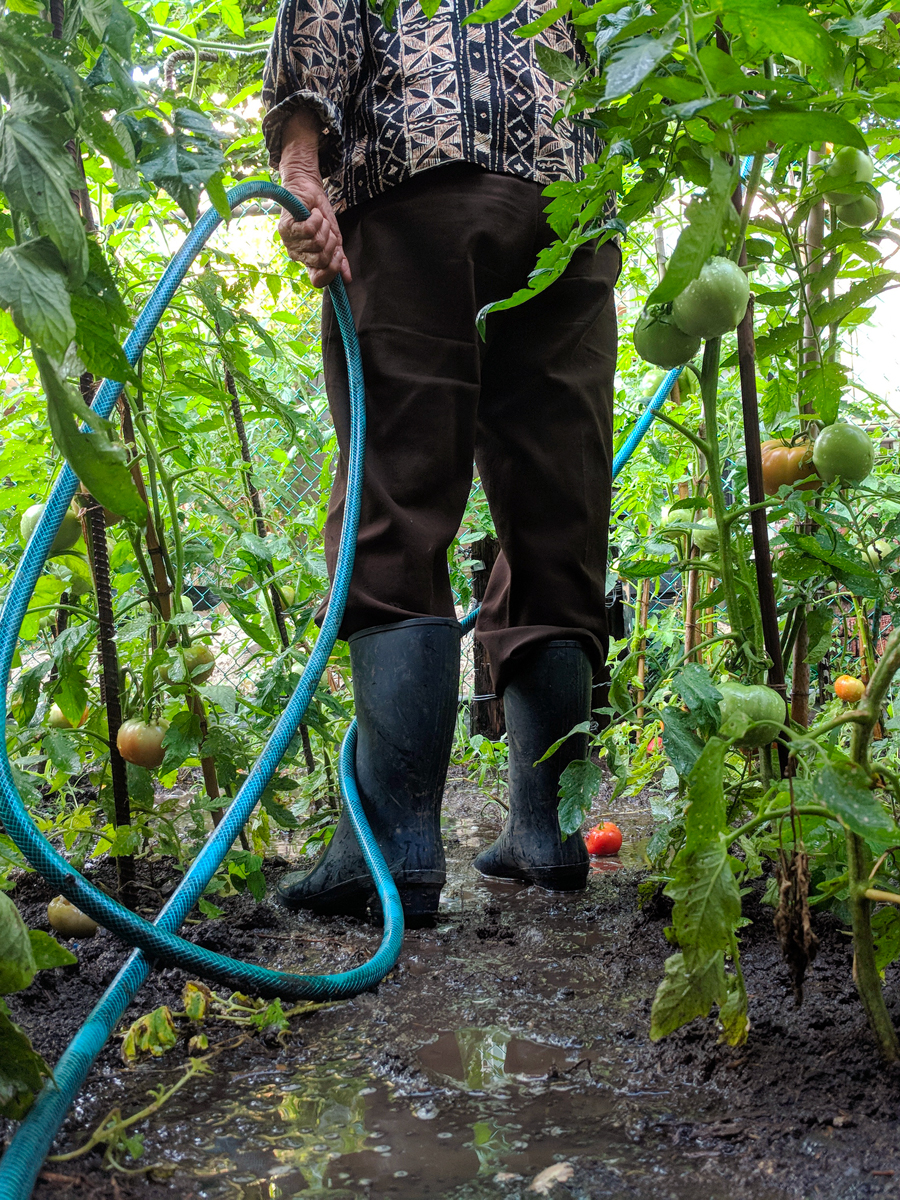
Outside the kitchen, I grew up watching her tend to her tomato garden, propped up with whatever sticks, broom handles, or scraps of wood she could find — a reflection of her steady, no-nonsense care, given without fuss and full of quiet dedication.
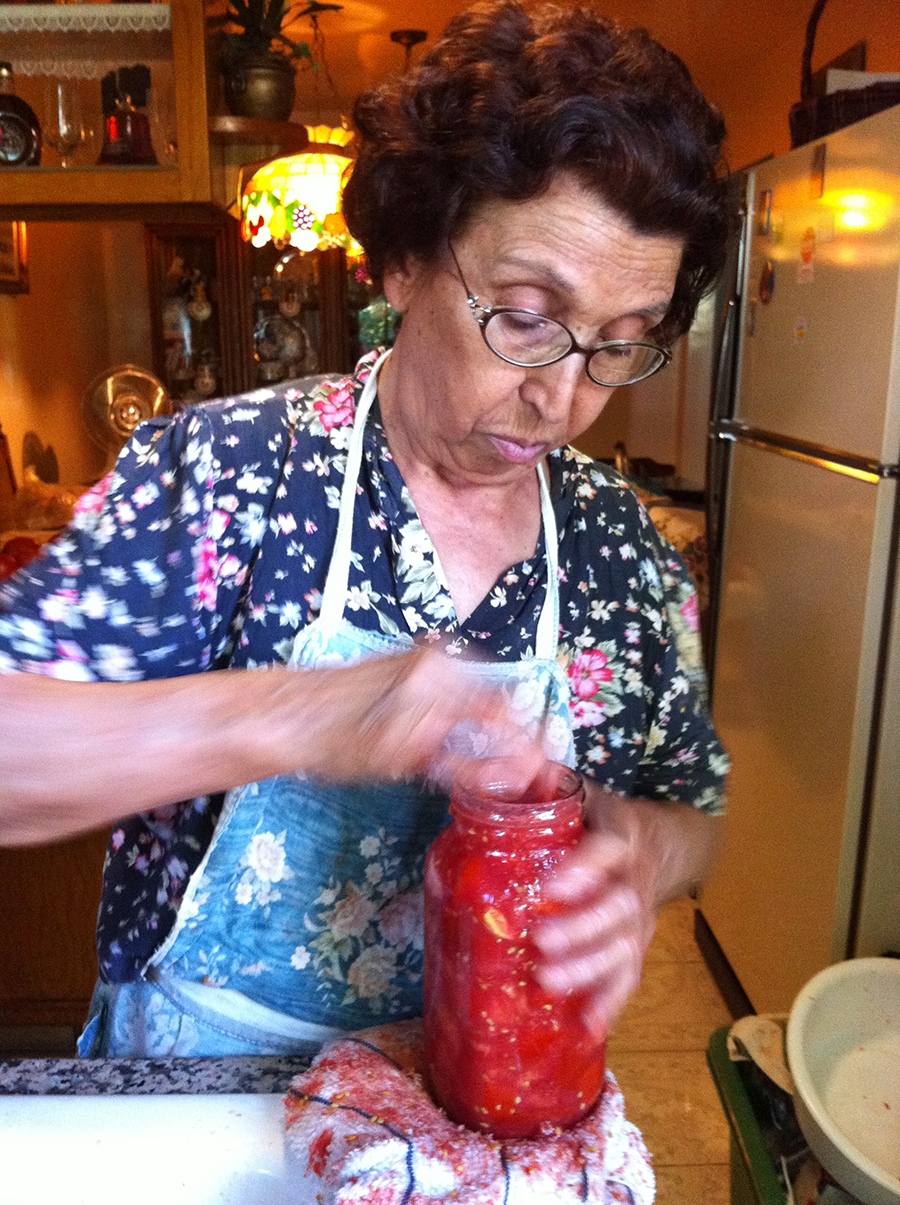
Watching her, I learned the value of hard work, an appreciation for simple, honest things, and the patience of the seasons. Later, I would stand beside her with my mother and sister, canning tomatoes together — the tiny kitchen alive with conversation and filled with the scent of warm earth and ripe tomatoes, marking the end of summer. Those moments continue to shape my cooking today, grounding it in a deep, humble respect for ingredients and an unfussy, intuitive approach.
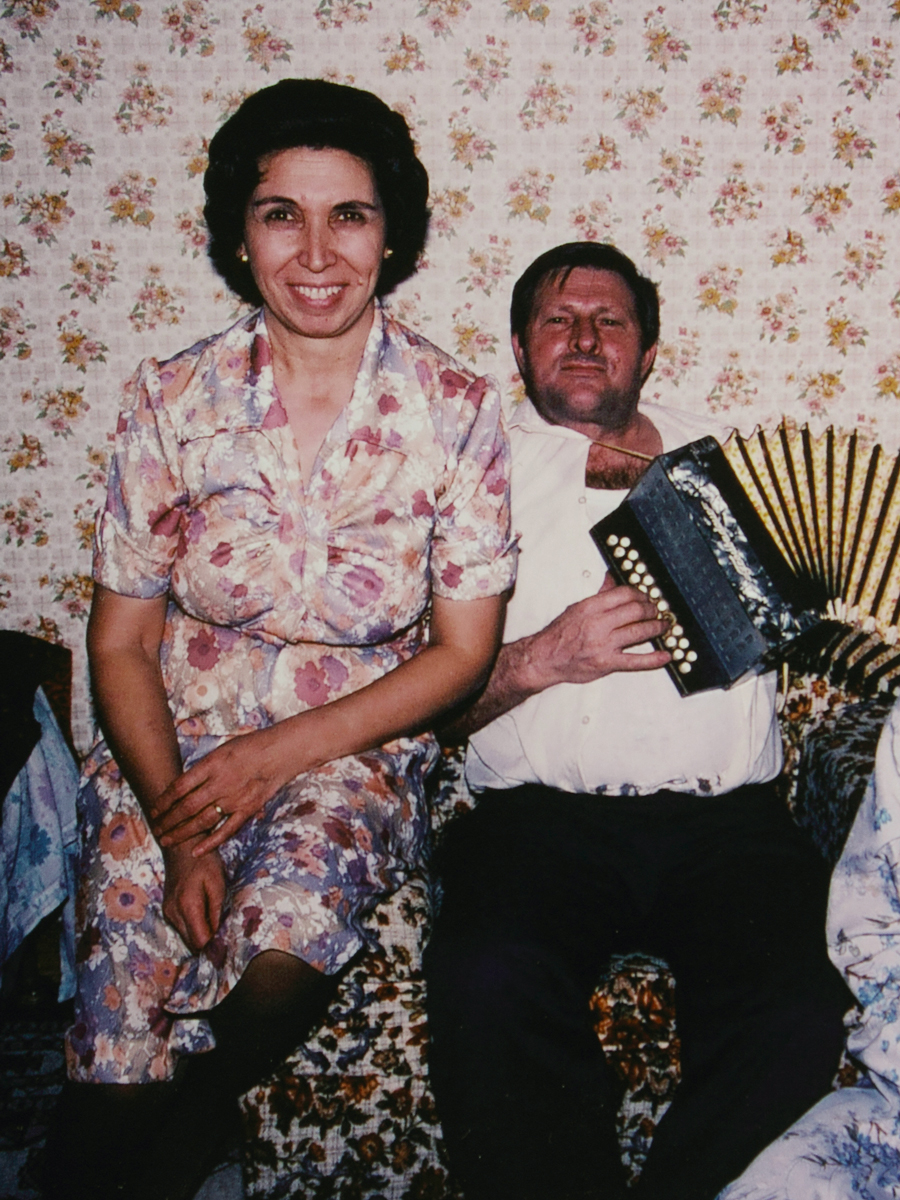
My Nonna and Nonno in their apartmentNonna Discepola tending to her tomato gardenNonna making tomato preserves from home-grown tomatoes
Even now, that way of cooking stays with me — intuitive, ingredient-led, and rooted in care. Dishes like simple bean-based soups, garlicky greens, and slow-baked vegetables reflect that spirit. Humble, family-centred, and generous, there will always be a trace of those Italian Sundays in my kitchen.
French Canadian Cooking: Communal and Hearty
As much as my cooking was shaped by my Italian heritage, it was equally shaped by where I grew up — in Québec, where food tells a very different story. While it isn’t always internationally known, French-Canadian cooking carries a rich history of resilience, tradition, and deeply comforting dishes shaped by long winters. Meals like tourtière, hearty pea soup, pâté chinois, and the maple-laden rituals of cabane à sucre cooking speak to nourishment, practicality, and warmth. Much of this cuisine is traditionally meat-based, and that’s where I love to get creative — reimagining familiar flavours and techniques in ways that are vegetable-forward, balanced, and gently elevated, without losing their soul.
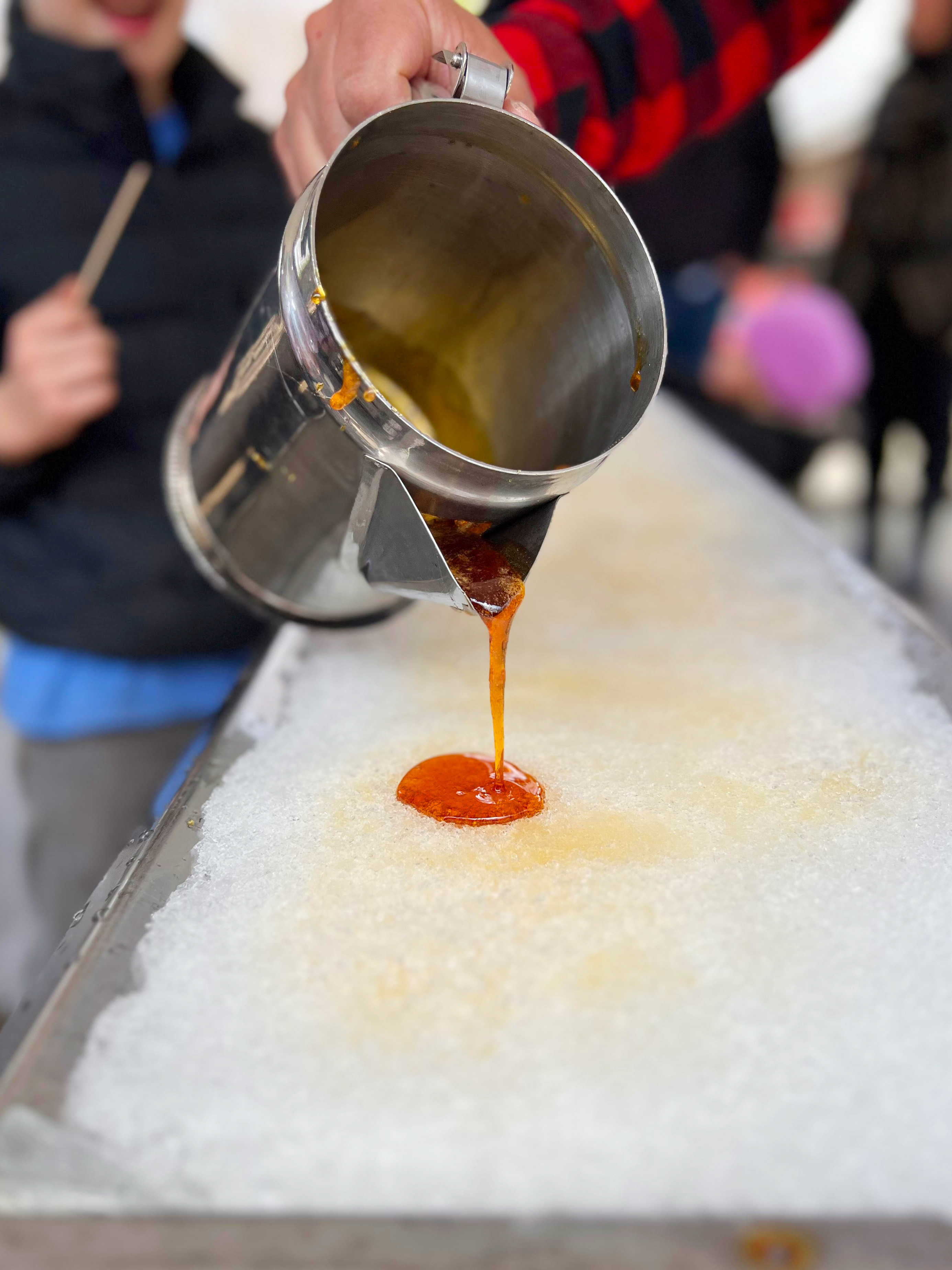
Cabane à sucre season marks a turning point at the end of winter, when families and friends gather to celebrate the coming of spring. Long, often lively tables are filled with generous, comforting dishes meant to be shared. After the meal, everyone heads outside for maple taffy — hot, concentrated maple syrup poured over fresh snow, quickly rolled onto a stick and eaten on the spot. It’s a ritual shaped by the land and climate — a moment of connection, continuity, and joy after long winters.
Maple taffy on snow, a spring tradition
French-Canadian cooking taught me the importance of generosity at the table — hearty dishes built around root vegetables, slow cooking, and meals meant to be passed around and eaten together. It also instilled a deep respect for the seasons, shaped by long winters and brief harvests, a rhythm that mirrors the Italian approach I learned in my Nonna’s kitchen. My cooking today lives at the intersection of these two traditions, drawing from both — intuitive and ingredient-led, communal and comforting — grounded in care, and a deep respect for what the season offers.
Behind the Recipes
Vegetables are what excite me most in the kitchen. Their flavours shift with the seasons, their textures change with technique, and they reward attention in quiet but surprising ways. That’s why I describe my cooking as vegetable-forward rather than vegetarian — Sage & Parsley isn’t about labels or restriction, but about letting vegetables lead and building thoughtful, satisfying vegetable-forward recipes around them. The table here is open and welcoming; these are recipes meant for anyone who loves good food, and many are taste-tested by my husband, who happily eats meat and still comes back for seconds.
I develop and photograph every recipe myself, paying close attention to light, colour, and detail, because food photography is another way of telling the story of a dish. The way vegetables catch the light, deepen in colour as they cook, and move across the plate is part of their beauty — and capturing that is an important way I connect with food.
At the end of the day, vegetable-forward cooking is simply about possibility. It’s about flavour, texture, colour, and the quiet satisfaction of a dish that’s been cooked with care. My kitchen is open to anyone who’s curious, hungry, or just looking for something delicious to put on the table — no rules, no labels, just good food made thoughtfully. If you love meals that are comforting, vibrant, and deeply satisfying, you’re in the right place. ✨
Recipes From My Kitchen
A small collection of recipes that reflect how I cook every day — seasonal, vegetable-forward, and meant to be cooked, shared, and enjoyed.
Yep — it can be done! I built this entire recipe website without WordPress. Before diving into the food-blogging world, I spent several years working as a web developer. During that time, I built many WordPress sites and, for better or worse, learned to appreciate the platform. But my favourite CMS to build websites like this with is Statamic.
It’s not super well-known outside the web dev bubble, but it’s a fantastic platform for creating solid, fast, and beautifully clean (so very clean) websites. I also love that their branding always feels fresh and a little fun.
Side note: if you’re new to making websites, Statamic probably isn’t the easiest starting point — there are fewer ready-made templates and less general community support. But if you’re comfortable with a little front-end code, it’s an incredibly satisfying option to explore.
And if you have any thoughts about the site’s design or flow, please share them! I genuinely love optimizing the experience and am always open to ideas that make it better. You can definitely find me late at night, tweaking the site’s code while the whole house sleeps. 😴👩💻
Curious to learn more about the philosophy and approach behind Sage & Parsley?
What inspires your approach to vegetable-forward cooking?
My inspiration comes from family kitchens, seasonal ingredients, and the belief that vegetables deserve just as much care and creativity as any centrepiece protein. I love finding ways to make vegetable-forward meals feel generous, satisfying, and a little special.
Where are you based, and how does that shape your cooking?
I’m based in Montreal, and my cooking reflects both my Mediterranean roots and the French Canadian food traditions I grew up with. Seasons matter here, and so does comfort — you’ll see that influence in the way I cook, from cozy winter dishes to lighter, produce-driven meals.
What draws you to vegetable-forward cooking?
I’ve always loved the creativity that comes from cooking with vegetables — their variety, their textures, and the way they respond to care and attention. Vegetable-forward cooking feels generous and expressive to me, and it’s the approach that guides everything I share here.
Do you photograph your own food?
Yes — photography is a big part of how I tell food stories. I photograph each recipe as I develop it, aiming to capture food that looks inviting, honest, and true to how it’s meant to be enjoyed at home.
What photographic equipment do you use?
Camera: Nikon D800 (full-frame digital SLR). It's almost 15 years old! 😲 But it was so groundbreaking for its time that it's still relevant. Plus it has been my partner in crime for too long to change it!
Lens: Usually my Nikon AF-S VR Micro 105mm f/2.8, versatile and lovely. But also sometimes the Nikon AF Nikkor 85mm 1.4, so much bokeh, so much beauty.
Lighting: Godox QT400IIIM Studio Flash Monolights.
This site uses cookies for analytics (Google Analytics). You may accept or refuse cookies.
Search for a recipe, ingredient or any other keyword